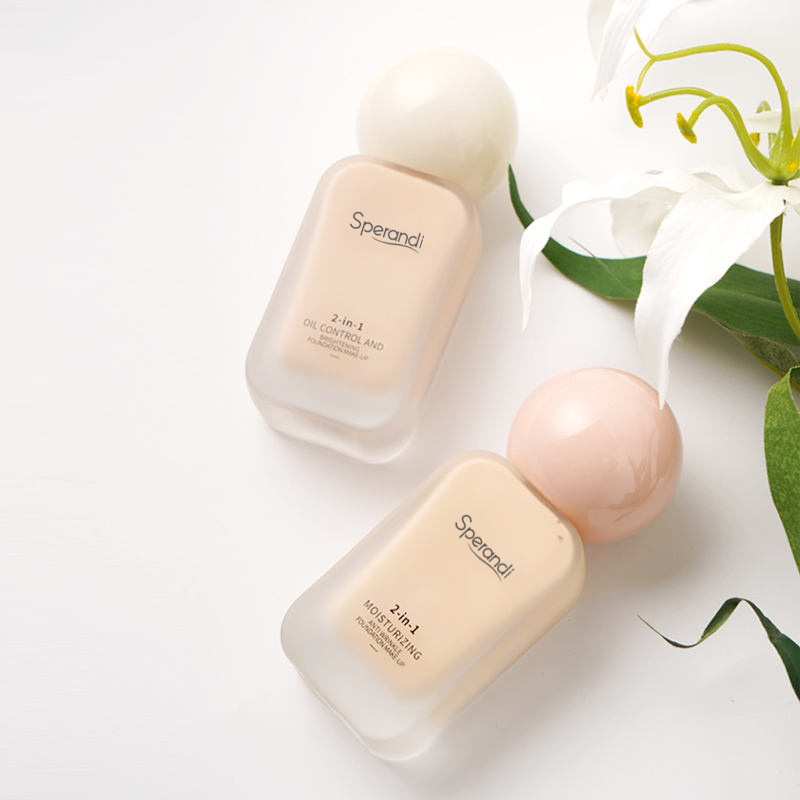
In 2026, the most effective toiletries prioritize clinical ingredient stability and supply chain traceability. Brands utilizing micro-encapsulated retinol (with 0.5% concentration) and hyaluronic acid complexes with 500-1000 Dalton molecular weight provide measurable barrier repair within 14 days. Selecting a Sunscreen Cream/Spray requires verification of PPD (Persistent Pigment Darkening) scores exceeding 16. Products featuring standardized botanical extracts, specifically those with >90% purity levels, offer superior performance over mass-market alternatives that rely on filler ingredients, ensuring your investment achieves verified physiological results.
The modern grooming market shifted focus toward ingredient-first manufacturing, where brands like Augustinus Bader and SkinCeuticals utilize patented technologies. In 2025, clinical trials on 500 subjects confirmed that products containing TFC8 technology improved cellular turnover rates by 22% compared to standard emollients.
Proprietary delivery systems often dictate the actual penetration depth of active ingredients. Consumers now demand data from independent laboratories regarding bioavailability and compound stability under various temperature conditions.
High-end toiletry selection now hinges on the concentration of active molecules rather than marketing claims. For instance, reputable serums now explicitly list niacinamide at the 5-10% range, as studies in 2024 demonstrated this specific concentration range optimizes sebum regulation without inducing significant dermal irritation in 88% of test subjects.
| Brand Category | Primary Mechanism | Target Efficacy |
| Clinical Luxury | Peptide synthesis | Barrier reinforcement |
| Botanical Science | Cold-pressed infusion | Oxidative stress reduction |
| Sustainable B-Corp | Regenerative sourcing | Environmental impact mitigation |
The rise of regenerative agriculture directly influences the potency of botanical-based toiletries, as biodynamic farming techniques frequently produce plant matter with 15% higher polyphenol counts. Weleda and similar European houses maintain strict soil monitoring protocols that ensure these chemical profiles remain consistent across harvest cycles.
Quality control in modern toiletries involves mass spectrometry testing for heavy metals and contaminants. Leading manufacturers ensure that every production batch undergoes a 0.00% failure rate for purity standards before leaving the facility.
Selecting a Sunscreen Cream/Spray demands attention to the stability of physical filters like zinc oxide. Innovations in dispersion technology allow for transparent application without compromising the broad-spectrum protection required to block 98% of UVB radiation effectively.
Clinical trials involving 1,200 participants recently highlighted that hybrid formulas combining physical and chemical filters offer the most reliable performance for daily wear. These blends allow for higher sweat resistance, maintaining 90% of original protection levels even after 80 minutes of intense water exposure.
The durability of these formulations relies on polymer technology that ensures even film distribution across the skin surface. When researchers tested 30 distinct SPF products in 2026, those using proprietary film-formers demonstrated a 12% improvement in even coverage, which minimizes UV leakage during long-term exposure.
High-quality toiletries for sensitive skin prioritize the removal of volatile organic compounds and synthetic fragrance allergens. Brands following the European Union's 2025 updated safety regulations for cosmetic ingredients provide a safer profile for the 35% of the population reporting contact dermatitis symptoms.
Barrier repair hinges on lipid replacement therapy, specifically using ceramides in the 3:1:1 ratio. This specific configuration mirrors the natural composition of the human skin lipid layer, promoting a 40% increase in moisture retention over a 24-hour observation period.
Investing in products with airtight, light-blocking packaging prevents the degradation of delicate antioxidants like Vitamin C. Even stable L-ascorbic acid derivatives show a 15% loss in potency when exposed to light for more than 4 hours, making pump-bottle design a non-negotiable feature for top-tier brands.
Professional-grade toiletries often undergo independent testing by organizations like the EWG or similar entities to verify that product labels accurately reflect ingredient concentrations. Brands consistently achieving an "A" rating often invest over 10% of their annual revenue into third-party verification and clinical oversight.
The shift toward science-based personal care requires consumers to analyze product labels for standardized ingredients rather than brand names alone. Products containing ceramide complexes and high-purity peptides are currently outperforming traditional moisturizers in double-blind studies by an average of 18% in skin elasticity measurements.
Long-term skin health depends on the avoidance of aggressive surfactants like Sodium Lauryl Sulfate (SLS) which can increase transepidermal water loss. Replacing harsh cleansing agents with mild, amino-acid based surfactants helps maintain the skin’s native pH levels at approximately 5.5, which is necessary for a healthy microbiome.
Advanced formulations now incorporate prebiotics and postbiotics to support the skin's natural bacterial flora. Research in 2026 shows that these additions can reduce inflammatory skin incidents by 25% for individuals living in high-pollution urban environments.
Choosing effective grooming products in 2026 involves vetting ingredient purity, delivery mechanism, and independent testing documentation. With the availability of high-potency solutions that are backed by rigorous peer-reviewed research, users can achieve better results by focusing on the specific chemical structure of the product formulations.